Wie viele Grand Cru-Weinberge gibt es in Mercurey, und wie heißen sie?
Mercurey hat keine Grand Cru-Weinberge.
Gemeinde · Côte Chalonnaise
Mercurey: Fragen & Antworten
Mercurey hat keine Grand Cru-Weinberge.
Mercurey hat 27 Premier Cru-Weinberge: Clos du Château de Montaigu, La Levrière, Sazenay, La Bondue, Clos Tonnerre, Le Clos du Roy, Les Crêts, Clos des Montaigus, Le Clos l'Evêque, Les Champs Martin, Les Puillets, Clos Marcilly, Griffères, Grand Clos Fortoul, Clos Voyens, Clos des Myglands, La Mission, Clos des Barraults, Les Croichots, La Cailloute, Les Byots, Les Saumonts, Clos des grands Voyens, Les Naugues, Les Combins, Les Vasées und Les Velley.
Die klassifizierten Weinbergsgrenzen in Mercurey umfassen 866,09 ha.
Premier Cru: 150,06 ha (17%); Village: 534,8 ha (62%); Régionale: 181,23 ha (21%).
Château Philippe le Hardi (Château de Santenay): 72,77 ha; d'Etroyes: 24,66 ha; de Chamirey: 21,45 ha; Mia: 19,15 ha; Albert Bichot: 7,39 ha; Alain & Raphael Corcia: 6,73 ha; Belleville: 5,58 ha; Domaine Génot-Boulanger: 3,82 ha.
Burgundy Atlas führt Bourgogne, Mercurey und Mercurey premier cru für den Bereich um Mercurey.
Die Rebfläche in Mercurey liegt zwischen 208 m und 358 m über dem Meeresspiegel. Es fällt leicht ab (etwa 9%, oder 5°) und ist nach Ostsüdost ausgerichtet.
Mercurey liegt in Côte Chalonnaise, Burgund.
Le Clos l'Evêque: 17,29 ha innerhalb von Mercurey; Sazenay: 13,14 ha innerhalb von Mercurey; Les Champs Martin: 12,87 ha innerhalb von Mercurey; Les Velley: 10,84 ha innerhalb von Mercurey; Le Clos du Roy: 10,82 ha innerhalb von Mercurey.
La Cailloute: 314 m über dem Meeresspiegel; Les Saumonts: 312,5 m über dem Meeresspiegel; Les Croichots: 298,1 m über dem Meeresspiegel.
Clos des Barraults: 13,7°; Les Saumonts: 12°; Griffères: 11,7°.
Für Mercurey: Chardonnay ist die Hauptrebsorte für Weißweine. Pinot Gris ist eine ergänzende Rebsorte für Weißweine. Pinot Noir ist die Hauptrebsorte für Rotweine. Chardonnay und Pinot Gris sind ergänzende Rebsorten für Rotweine. Für Mercurey premier cru: Chardonnay ist die Hauptrebsorte für Weißweine. Pinot Gris ist eine ergänzende Rebsorte für Weißweine. Pinot Noir ist die Hauptrebsorte für Rotweine. Chardonnay und Pinot Gris sind ergänzende Rebsorten für Rotweine. Für Bourgogne: Chardonnay und Pinot Blanc sind die Hauptrebsorten für Weißweine. Pinot Gris ist eine ergänzende Rebsorte für Weißweine. Pinot Noir ist die Hauptrebsorte für Rotweine. Chardonnay ist eine ergänzende Rebsorte für Rotweine. Pinot Blanc ist eine ergänzende Rebsorte für Rotweine. Pinot Gris ist eine ergänzende Rebsorte für Rotweine. César ist eine ergänzende Rebsorte für Rotweine nur im Département Yonne. Gamay ist eine ergänzende Rebsorte für Rotweine nur für Weine aus den abgegrenzten Bereichen von Brouilly, Chénas, Chiroubles, Côtes de Brouilly, Fleurie, Juliénas, Morgon, Moulin-à-Vent, Régnié und Saint-Amour. Pinot Noir und Pinot Gris sind die Hauptrebsorten für Roséweine. Pinot Blanc ist eine ergänzende Rebsorte für Roséweine. Chardonnay ist eine ergänzende Rebsorte für Roséweine. César ist eine ergänzende Rebsorte für Roséweine nur im Département Yonne.
Für Mercurey: Grundertrag: 57 hl/ha (für Mercurey, für Weißweine). Höchstertrag: 64 hl/ha (für Mercurey, für Weißweine). Grundertrag: 50 hl/ha (für Mercurey, für Rotweine). Höchstertrag: 58 hl/ha (für Mercurey, für Rotweine). Für Mercurey premier cru: Grundertrag: 55 hl/ha (für Weißweine, auf Premier Cru-Niveau). Höchstertrag: 62 hl/ha (für Weißweine, auf Premier Cru-Niveau). Grundertrag: 48 hl/ha (für Rotweine, auf Premier Cru-Niveau). Höchstertrag: 56 hl/ha (für Rotweine, auf Premier Cru-Niveau). Für Bourgogne: Grundertrag: 68 hl/ha (für Bourgogne, für Weißweine). Grundertrag: 60 hl/ha (für Bourgogne, für Roséweine und Rotweine). Höchstertrag: 77 hl/ha (für Bourgogne, für Weißweine). Höchstertrag: 69 hl/ha (für Bourgogne, für Roséweine und Rotweine).
Für Mercurey: Mindestpflanzdichte: 8.000 Rebstöcke pro Hektar. Für Mercurey premier cru: Mindestpflanzdichte: 8.000 Rebstöcke pro Hektar. Für Bourgogne: Mindestpflanzdichte: 5.000 Rebstöcke pro Hektar. Mindestpflanzdichte: 9.000 Rebstöcke pro Hektar (für dicht ohne Reihen gepflanzte Reben).
Die veröffentlichten Regeln für Mercurey umfassen rot und weiß. Die veröffentlichten Regeln für Mercurey premier cru umfassen rot und weiß. Die veröffentlichten Regeln für Bourgogne umfassen Roséweine, rot und weiß.
Das Météo-France-SIM/SAFRAN-Modell für Mercurey gibt eine Jahresmitteltemperatur von 11,7 °C und 851,1 mm Jahresniederschlag im Jahr 2025.
Das Météo-France-SIM/SAFRAN-Modell für Mercurey gibt eine Jahresmitteltemperatur von 11,7 °C und 1.060,4 mm Jahresniederschlag im Jahr 2024.
Das Météo-France-SIM/SAFRAN-Modell für Mercurey gibt eine Jahresmitteltemperatur von 12,3 °C und 861,6 mm Jahresniederschlag im Jahr 2023.
Öffnen Sie die interaktive Karte von Burgundy Atlas und suchen Sie nach Mercurey.
Die Dorfkarte
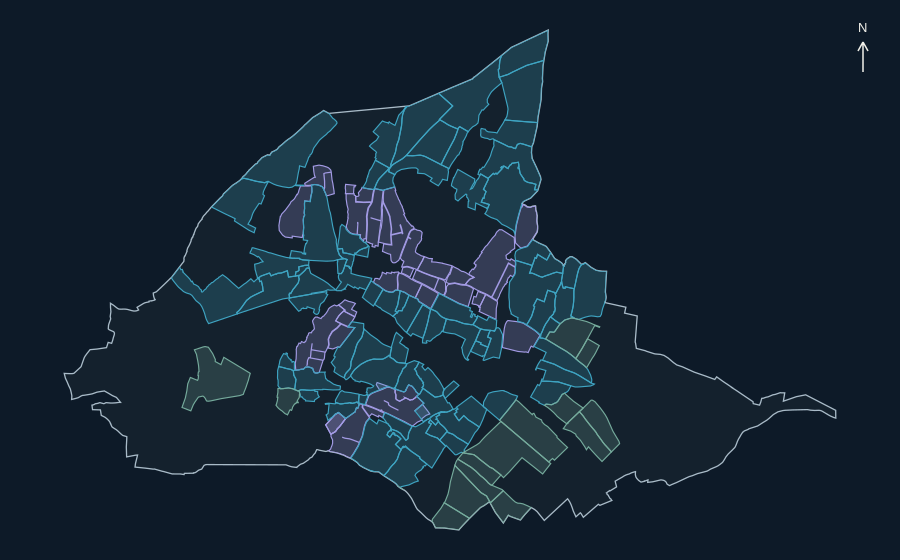
Hektar nach Klassifikation
| Stufe | Hektar | Anteil |
|---|---|---|
| Grand Cru | 0 ha | 0% |
| Premier Cru | 150,06 ha | 17% |
| Village | 534,8 ha | 62% |
| Régionale | 181,23 ha | 21% |
Weinberge & lieux-dits
| Weinort | Hektar im Dorf |
|---|---|
| Clos des Barraults | 4,99 ha |
| Clos des grands Voyens | 4,88 ha |
| Clos des Montaigus | 1,9 ha |
| Clos des Myglands | 6,31 ha |
| Clos du Château de Montaigu | 1,9 ha |
| Clos Marcilly | 7,47 ha |
| Clos Tonnerre | 2,98 ha |
| Clos Voyens | 2,47 ha |
| Grand Clos Fortoul | 2,49 ha |
| Griffères | 0,36 ha |
| La Bondue | 4,57 ha |
| La Cailloute | 1,72 ha |
| La Levrière | 1,32 ha |
| La Mission | 1,91 ha |
| Le Clos du Roy | 10,82 ha |
| Le Clos l'Evêque | 17,29 ha |
| Les Byots | 2,7 ha |
| Les Champs Martin | 12,87 ha |
| Les Combins | 5,75 ha |
| Les Crêts | 3,88 ha |
| Les Croichots | 7,05 ha |
| Les Naugues | 4,06 ha |
| Les Puillets | 8,5 ha |
| Les Saumonts | 4,1 ha |
| Les Vasées | 3,09 ha |
| Les Velley | 10,84 ha |
| Sazenay | 13,14 ha |
| Weinort | Hektar im Dorf |
|---|---|
| Champ de la Garenne | 3,79 ha |
| Champ de Perdrix | 10,37 ha |
| Champ Renard | 18,52 ha |
| Clos de Marloux | 15,22 ha |
| En Chauleu | |
| La Goulotte | 4,68 ha |
| La Rue aux Porcs | 5,72 ha |
| Les Clos Moreaux | |
| Les Grandes Vignes | 5,33 ha |
| Les Gravelles | 19,66 ha |
| Les Pâquiers | 7,52 ha |
| Les Potets | 9,57 ha |
| Petits Champs Ronds | 7,35 ha |
| Sur Claviere | 2,95 ha |
| Vignes des Champs | 4,57 ha |
Öffentliche Produzentenreferenzen
| Produzent | Gezählte erfasste Parzellen |
|---|---|
| Château Philippe le Hardi (Château de Santenay) | 72.77 ha |
| d'Etroyes | 24.66 ha |
| de Chamirey | 21.45 ha |
| Mia | 19.15 ha |
| Albert Bichot | 7.39 ha |
| Alain & Raphael Corcia | 6.73 ha |
| Belleville | 5.58 ha |
| Domaine Génot-Boulanger | 3.82 ha |
| Gouffier | 3.36 ha |
| Chanzy | 2.91 ha |
| L. Tramier & Fils | 2.73 ha |
| du Clos Moreau | 0.07 ha |
Appellationen
Gelände
Die Rebfläche in Mercurey liegt zwischen 208 m und 358 m über dem Meeresspiegel. Es fällt leicht ab (etwa 9%, oder 5°) und ist nach Ostsüdost ausgerichtet.
Jüngstes Jahrgangswetter
| Jahr | Météo-France-Modell · nächstes 8-km-Raster | Jahresmitteltemperatur | Jahresniederschlag |
|---|---|---|---|
| 2025 | MercureyMétéo-France SIM/SAFRAN · ungefähr 8 km | 11,7 °C | 851,1 mm |
| 2024 | MercureyMétéo-France SIM/SAFRAN · ungefähr 8 km | 11,7 °C | 1.060,4 mm |
| 2023 | MercureyMétéo-France SIM/SAFRAN · ungefähr 8 km | 12,3 °C | 861,6 mm |